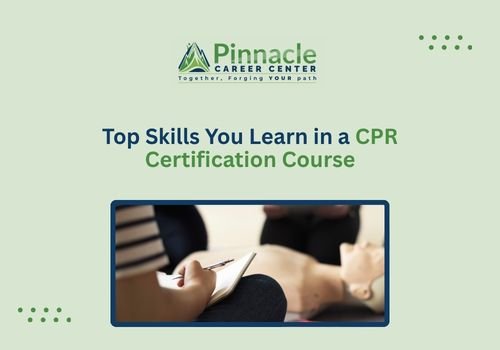
Top Skills You Learn in a CPR Certification Course
Emergencies can happen anywhere at home, at work, in schools, gyms, healthcare facilities, or public places. When a person experiences cardiac arrest, choking, or a breathing emergency, immediate action can dramatically improve their chances of survival.
A CPR Certification course teaches practical, evidence-based skills that help individuals respond confidently during life-threatening situations. Whether you’re a healthcare professional, teacher, caregiver, student, fitness trainer, or simply someone who wants to be prepared, CPR training provides valuable knowledge that can save lives.
In this guide, you’ll learn the top skills taught in a CPR Course, why they matter, and how they prepare you to act quickly and effectively during emergencies.
What Is a CPR Certification Course?
A CPR Certification course is a structured training program that teaches participants how to recognize and respond to cardiac, breathing, and choking emergencies. The training combines classroom instruction, hands-on practice, and real-world emergency response techniques.
Most CPR certification programs cover:
- Adult CPR
- Child CPR
- Infant CPR
- Automated External Defibrillator (AED) use
- Choking relief techniques
- Emergency assessment procedures
- Rescue breathing basics
The goal is to help participants provide immediate care until professional medical responders arrive.
Why CPR Skills Matter
According to emergency medical professionals, the first few minutes after cardiac arrest are critical. Quick action can help maintain blood flow to vital organs and increase survival rates.
People trained in CPR are better prepared to:
- Recognize emergencies quickly
- Respond with confidence
- Provide effective chest compressions
- Use an AED safely
- Assist choking victims
- Support breathing emergencies
These skills are valuable both inside and outside healthcare settings.
Read More: Why CPR Certification Is Important for Healthcare Professionals
Top Skills You Learn in a CPR Certification Course
1. Recognizing Cardiac Arrest and Medical Emergencies
One of the first skills taught in a CPR Course is how to identify a life-threatening emergency.
Participants learn to recognize signs such as:
- Unresponsiveness
- Absence of normal breathing
- Gasping breaths
- Sudden collapse
- Lack of pulse (when appropriate)
Understanding these warning signs helps reduce hesitation and enables faster intervention.
Real-World Example
If someone collapses in a shopping center and is not breathing normally, a trained responder can quickly recognize cardiac arrest and begin CPR while others call emergency services.
2. Performing High-Quality Chest Compressions
Chest compressions are the foundation of effective CPR.
Students learn how to:
- Position their hands correctly
- Compress the chest at the proper depth
- Maintain the recommended compression rate
- Allow full chest recoil
- Minimize interruptions
High-quality compressions help circulate oxygen-rich blood to the brain and vital organs until advanced medical care becomes available.
Key Compression Components
| Skill | Importance |
|---|---|
| Correct Hand Placement | Maximizes effectiveness |
| Proper Compression Depth | Supports blood circulation |
| Appropriate Compression Rate | Maintains consistent blood flow |
| Full Chest Recoil | Allows heart refilling |
| Minimal Interruptions | Improves survival outcomes |
3. Providing Rescue Breaths
Many CPR Certification programs teach rescue breathing techniques as part of comprehensive emergency response training.
Participants learn:
- How to open the airway
- Proper head-tilt/chin-lift technique
- Effective breath delivery
- Recognizing chest rise
- Preventing over-ventilation
Rescue breaths are especially important in certain drowning, pediatric, and respiratory emergencies.
4. Using an Automated External Defibrillator (AED)
An AED can restore a normal heart rhythm during specific cardiac emergencies.
A CPR Certification course teaches students how to:
- Turn on the AED
- Follow voice prompts
- Place electrode pads correctly
- Ensure scene safety
- Deliver a shock when advised
Many people hesitate to use an AED because they fear making a mistake. Training helps eliminate that uncertainty.
Important Reminder
AEDs are designed to be user-friendly and provide step-by-step instructions during an emergency.
5. Responding to Choking Emergencies
Airway obstruction can become fatal within minutes.
CPR training teaches how to recognize:
- Partial airway blockage
- Complete airway blockage
- Silent choking
- Distress signals
Participants practice techniques for:
Adults and Children
- Abdominal thrusts
- Back blows when appropriate
- Emergency response procedures
Infants
- Infant back slaps
- Infant chest thrusts
- Safe positioning techniques
Knowing how to respond quickly can prevent severe injury or death.
6. Assessing Scene Safety
Before providing assistance, responders must evaluate the environment.
A CPR Course teaches participants to identify hazards such as:
- Traffic
- Fire
- Electrical dangers
- Chemical exposure
- Unsafe surroundings
Scene assessment helps protect both the victim and responder.
Safety Checklist
- Check for immediate dangers
- Ensure personal safety
- Assess responsiveness
- Call emergency services
- Begin appropriate care
7. Activating Emergency Medical Services
Effective emergency response includes knowing when and how to call for help.
Students learn:
- When to contact emergency services
- Information dispatchers need
- How to communicate clearly
- Coordinating bystander assistance
This skill is often overlooked but plays a crucial role in emergency outcomes.
8. Team-Based Emergency Response
Many emergencies involve multiple responders.
CPR Certification training often includes:
- Team communication
- Role delegation
- Compression rotation
- AED coordination
- Emergency leadership skills
These techniques are especially valuable in healthcare, workplace, and public settings.
Example
One responder performs chest compressions while another retrieves an AED and a third contacts emergency services.
9. Performing CPR for Adults, Children, and Infants
Emergency care procedures vary by age group.
Participants learn the differences between:
| CPR Type | Key Differences |
| Adult CPR | Standard compression techniques |
| Child CPR | Modified depth and force |
| Infant CPR | Specialized hand positioning and compression methods |
Understanding these distinctions helps ensure age-appropriate care.
10. Building Confidence Under Pressure
One of the most valuable benefits of CPR training is confidence.
Many people freeze during emergencies because they lack training or fear doing something wrong.
Through hands-on practice, scenario-based exercises, and instructor guidance, students develop the confidence to:
- Stay calm
- Make quick decisions
- Follow emergency protocols
- Provide immediate assistance
This confidence often becomes the difference between action and hesitation.
Skills Beyond CPR That Many Courses Teach
Depending on the program, participants may also learn:
- First aid basics
- Bleeding control
- Shock management
- Emergency preparedness
- Injury assessment
- Workplace safety procedures
These complementary skills create a more complete emergency response foundation.
Who Benefits Most From CPR Certification?
CPR Certification is valuable for:
- Nurses
- Nursing students
- Certified Nursing Assistants (CNAs)
- Medical assistants
- Teachers
- Childcare providers
- Coaches
- Personal trainers
- Security personnel
- Caregivers
- Parents
- Community volunteers
Even individuals without healthcare experience can benefit from CPR training.
What Employers Value in CPR-Certified Individuals
Many employers view CPR certification as evidence of:
- Responsibility
- Preparedness
- Leadership
- Safety awareness
- Emergency response capability
Industries that frequently require CPR Certification include:
- Healthcare
- Education
- Fitness
- Childcare
- Public safety
- Hospitality
- Corporate wellness programs
Common Misconceptions About CPR Training
Myth: CPR Is Only for Healthcare Workers
Reality: CPR training is designed for both medical professionals and the general public.
Myth: AEDs Are Difficult to Use
Reality: Modern AEDs provide clear voice instructions and are designed for public use.
Myth: CPR Training Is Too Complicated
Reality: Most courses break skills into simple, practical steps that are easy to learn and practice.
Key Takeaways
- CPR Certification teaches life-saving emergency response skills.
- Students learn how to recognize cardiac arrest and breathing emergencies.
- High-quality chest compressions are a core component of CPR training.
- AED operation is a critical skill covered in most programs.
- Choking response techniques help address airway emergencies.
- Training builds confidence, preparedness, and situational awareness.
- CPR skills are valuable for healthcare professionals and community members alike.
Why Choose Professional CPR Training?
Receiving instruction from experienced trainers ensures participants learn current best practices and gain hands-on experience.
At Pinnacle Career Center, students receive practical training designed to prepare them for real-world emergencies. Whether you’re pursuing a healthcare career or simply want to be ready to help others, a CPR Certification program provides valuable skills that can make a meaningful difference when every second counts.
Individuals looking for a CPR Course Texas option often seek training that combines hands-on practice, experienced instructors, and nationally recognized certification standards. Enroll Now.
FAQs
How long does it take to complete a CPR Certification course?
Most CPR Certification courses can be completed in a few hours, although course length varies depending on the training provider and certification level.
What skills are taught in a CPR Course?
Typical skills include chest compressions, rescue breathing, AED use, choking relief, emergency assessment, and activating emergency medical services.
Is CPR certification required for healthcare jobs?
Many healthcare positions require current CPR Certification as part of employment or clinical training requirements.
Do CPR skills expire?
Yes. Most certifications require periodic renewal to ensure participants remain current with the latest emergency response guidelines.
Can someone without medical experience take a CPR course?
Absolutely. CPR training is designed for healthcare professionals and non-medical individuals alike.
Is hands-on practice included in CPR training?
Most CPR Certification programs include practical exercises and skills demonstrations to help students gain confidence and competence.
Conclusion
Learning CPR is about more than earning a certificate, it’s about gaining the skills and confidence to respond when someone needs immediate help. From performing chest compressions and using an AED to recognizing emergencies and assisting choking victims, the skills taught in a CPR Certification course can have a lasting impact on individuals, families, workplaces, and communities.