
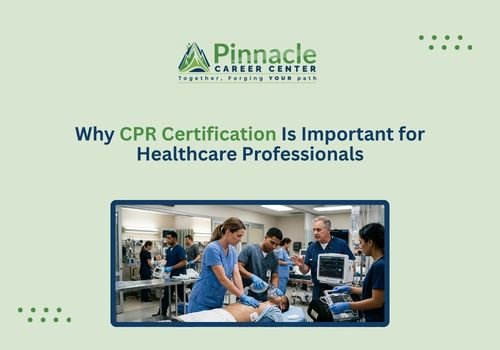
Why CPR Certification Is Important for Healthcare Professionals
Healthcare emergencies can happen without warning. In hospitals, clinics, nursing homes, urgent care centers, and even outpatient facilities, healthcare professionals are often the first people expected to respond when a patient stops breathing or experiences cardiac arrest. This is why CPR certification is not just a recommendation, it is an essential skill that can directly save lives.
For doctors, nurses, medical assistants, therapists, caregivers, and healthcare students, completing a CPR Course provides the confidence and practical ability to act quickly during critical situations. Beyond meeting workplace requirements, CPR training strengthens patient safety, improves emergency response times, and supports better healthcare outcomes.
In this guide, we’ll explain why CPR certification matters, who needs it, what skills are taught in CPR Classes, and how healthcare professionals can benefit both professionally and personally from maintaining active certification.
What Is CPR Certification?
CPR (Cardiopulmonary Resuscitation) certification is official training that teaches individuals how to respond to cardiac and breathing emergencies. CPR combines chest compressions and rescue breathing techniques to maintain blood circulation and oxygen flow until advanced medical help arrives.
Most healthcare-focused CPR Courses include:
- Adult, child, and infant CPR
- AED (Automated External Defibrillator) usage
- Rescue breathing
- Choking relief techniques
- Emergency response protocols
- Team-based resuscitation skills
Healthcare providers typically complete Basic Life Support (BLS) CPR training because it is specifically designed for medical environments.
Why CPR Certification Matters in Healthcare
1. CPR Saves Lives During Critical Emergencies
Cardiac arrest can happen anywhere patient rooms, waiting areas, rehabilitation centers, or during medical procedures. Brain damage can begin within minutes if oxygen supply stops.
Healthcare professionals trained in CPR can:
- Start immediate chest compressions
- Restore partial blood circulation
- Improve survival rates
- Stabilize patients before emergency teams arrive
- Reduce complications caused by delayed response
Studies consistently show that early CPR significantly increases the chances of survival after sudden cardiac arrest.
2. CPR Certification Is Often Required for Healthcare Jobs
Many healthcare employers require active CPR certification before hiring or renewing employment contracts.
Common professions that require CPR training include:
| Healthcare Role | CPR Certification Requirement |
|---|---|
| Registered Nurses | Usually mandatory |
| Medical Assistants | Frequently required |
| Physicians | Standard requirement |
| EMTs & Paramedics | Essential |
| Dental Assistants | Often required |
| Physical Therapists | Commonly required |
| Home Health Aides | Strongly recommended |
| Healthcare Students | Frequently required for clinical rotations |
Completing accredited CPR Classes demonstrates professionalism and readiness for patient care responsibilities.
3. Faster Emergency Response Improves Patient Outcomes
Healthcare environments depend on quick decision-making. CPR-certified staff can immediately recognize warning signs and begin emergency care without hesitation.
Benefits of rapid response include:
- Improved oxygen delivery to vital organs
- Reduced risk of brain injury
- Better recovery chances
- Stronger emergency coordination among medical teams
- Increased patient confidence in healthcare facilities
Even a short delay can impact survival outcomes during cardiac emergencies.
Key Skills Learned in a CPR Course
A professional CPR Course teaches more than basic chest compressions. Healthcare-focused training prepares professionals for real-world emergency situations.
Adult CPR Techniques
Participants learn:
- Correct hand placement
- Compression depth and rate
- Rescue breathing procedures
- Two-person CPR coordination
Child and Infant CPR
Pediatric emergencies require specialized techniques because children and infants have different anatomy and breathing needs.
Training covers:
- Infant compression methods
- Pediatric airway management
- Child choking emergencies
- Age-specific response protocols
AED (Automated External Defibrillator) Usage
AEDs are commonly found in healthcare facilities. CPR Classes teach how to:
- Operate an AED safely
- Analyze heart rhythms
- Deliver electrical shocks when appropriate
- Coordinate CPR with defibrillation
Quick AED use can dramatically improve survival rates during sudden cardiac arrest.
Choking Emergency Management
Healthcare workers frequently encounter choking incidents, especially in pediatric and elderly care settings.
CPR training includes:
- Recognizing airway obstruction
- Performing abdominal thrusts
- Assisting unconscious choking victims
- Infant choking rescue procedures
Benefits of CPR Certification for Healthcare Professionals
Increased Confidence in Emergencies
Many healthcare workers feel anxiety during high-pressure emergencies. CPR training builds confidence by providing hands-on practice and scenario-based learning.
Professionals who regularly renew certification are often more prepared to:
- Stay calm under pressure
- Lead emergency response efforts
- Communicate effectively during crises
- Make rapid clinical decisions
Enhanced Career Opportunities
Active CPR certification strengthens a healthcare resume and may improve job prospects in competitive medical environments.
Employers often prefer candidates who:
- Maintain updated certifications
- Pursue continuing education
- Demonstrate emergency preparedness
- Meet compliance standards
For healthcare students, CPR certification can also improve internship and clinical placement opportunities.
Improved Team Collaboration
Medical emergencies require coordinated teamwork. CPR-certified professionals understand standardized response protocols, allowing smoother collaboration during codes and critical situations.
Training helps teams:
- Communicate efficiently
- Assign emergency roles quickly
- Reduce confusion during resuscitation
- Improve overall patient care coordination
How Often Should Healthcare Professionals Renew CPR Certification?
Most healthcare CPR certifications are valid for two years, although employer requirements may vary.
Regular renewal is important because:
- CPR guidelines can change
- Skills decline without practice
- Emergency protocols evolve
- Healthcare standards require updated training
Refresher CPR Classes help professionals maintain speed, accuracy, and confidence.
Choosing the Right CPR Classes
Not all CPR programs provide the same level of training. Healthcare professionals should choose courses that include hands-on instruction and recognized certification.
When selecting a CPR Course, look for:
- Accredited training providers
- Healthcare-focused curriculum
- AED training inclusion
- In-person skills assessment
- Experienced instructors
- Flexible scheduling options
For professionals in Texas, enrolling in a CPR course with Pinnacle Career Center in San Antonio provides convenient access to local certification programs designed for healthcare providers and medical students.
Online vs In-Person CPR Training
| Training Type | Advantages | Limitations |
|---|---|---|
| Online CPR Courses | Flexible schedule, convenient learning | Limited hands-on practice |
| In-Person CPR Classes | Real-life simulations, instructor feedback | Requires attendance |
| Hybrid CPR Training | Combines flexibility and practical skills | May require multiple sessions |
Healthcare professionals often benefit most from hybrid or in-person CPR Classes because practical skill performance is critical in real emergencies.
Common Situations Where Healthcare Professionals Use CPR
CPR skills are valuable across many medical settings, including:
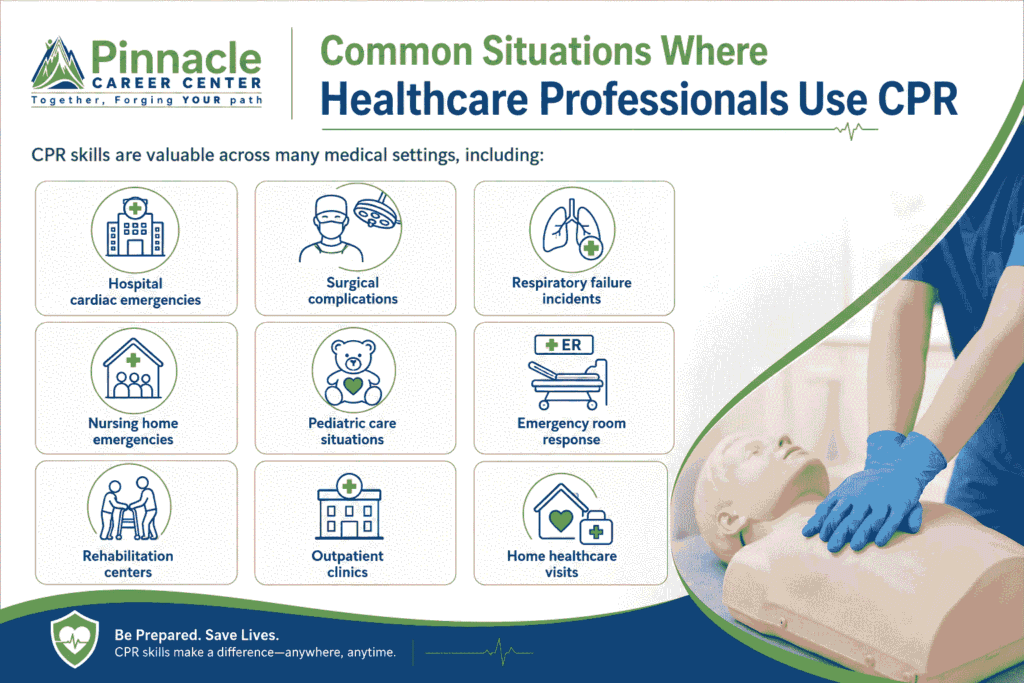
- Hospital cardiac emergencies
- Surgical complications
- Respiratory failure incidents
- Nursing home emergencies
- Pediatric care situations
- Emergency room response
- Rehabilitation centers
- Outpatient clinics
- Home healthcare visits
Even non-clinical healthcare staff may encounter emergencies requiring immediate action.
The Role of CPR in Patient Safety
Patient safety remains one of the most important goals in healthcare. CPR-certified staff contribute to safer medical environments by responding effectively during unexpected crises.
Organizations with well-trained teams may experience:
- Faster emergency interventions
- Better survival outcomes
- Improved compliance standards
- Stronger patient trust
- Reduced response errors
Continuous CPR education helps maintain high-quality care standards across healthcare facilities.
FAQs
1. Is CPR certification mandatory for healthcare workers?
In many healthcare roles, CPR certification is either legally required or strongly preferred by employers. Requirements vary depending on the profession and workplace.
2. How long does a CPR certification last?
Most certifications remain valid for two years before renewal is required.
3. What is included in healthcare CPR Classes?
Healthcare CPR Classes typically include adult, child, and infant CPR, AED training, choking management, and emergency response techniques.
4. Can healthcare professionals take CPR Courses online?
Yes, many providers offer online or hybrid CPR Courses. However, hands-on practice is highly recommended for healthcare professionals.
5. What is the difference between CPR and BLS certification?
BLS (Basic Life Support) certification is more advanced and specifically designed for healthcare providers working in clinical environments.
6. Where can I find a CPR Course san antino?
Many accredited training centers, hospitals, and healthcare education providers offer CPR Classes and BLS certification programs in San Antonio.
Final Thoughts
CPR certification is one of the most valuable skills a healthcare professional can have. It prepares providers to respond quickly during life-threatening emergencies, supports patient safety, and strengthens overall clinical confidence.
Whether you are a nurse, physician, therapist, medical assistant, or healthcare student, maintaining active CPR certification demonstrates commitment to quality care and professional readiness. Regular training and renewal ensure you stay prepared to make critical decisions when every second matters.
Take the Next Step Toward Saving Lives
Pinnacle Career Center is providing a CPR Course in San Antonio designed specifically for healthcare professionals and students who want hands-on, practical training in life-saving techniques. Their CPR Classes focus on real-world scenarios, helping you build confidence in critical situations.
Enroll now in Pinnacle Career Center’s CPR Course in San Antonio and take a step toward becoming a more confident, capable healthcare professional.