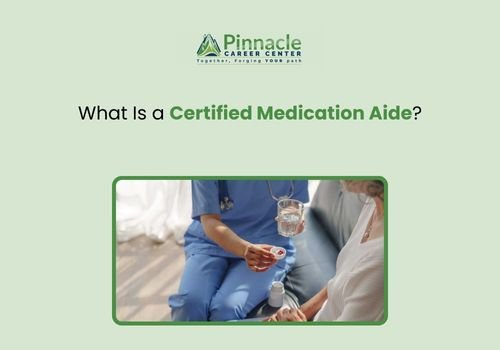
What Is a Medication Aide?
A medication aide plays an essential role in today’s healthcare system, especially in long-term care and assisted living settings. As the demand for skilled healthcare support professionals continues to rise, many individuals are choosing this career path because it offers stability, purpose, and faster entry into the medical field. At Pinnacle Career Center, we proudly provide professional training through Medication Aide Classes designed to help students build the skills needed to succeed in this growing role.
This guide explains what a medication aide does, what training involves, and how our course helps prepare you for real-world responsibilities.
Understanding the Role of a Medication Aide
A medication aide is a trained healthcare professional authorized to assist with administering prescribed medications to patients under the supervision of licensed nurses. The role focuses on safety, accuracy, documentation, and patient well-being.
In long-term care environments, medication aides help ensure that residents receive the correct medications at the correct times while maintaining dignity and comfort. Their work supports nurses by allowing them to focus on assessments and advanced care needs.
What Training Means in This Role
A medication aide who has completed an approved training program has received education and practical preparation related to medication procedures, legal responsibilities, and patient safety standards.
Completing the required training and meeting applicable state requirements can help individuals qualify for medication aide positions and pursue employment opportunities in healthcare settings.
Daily Responsibilities of a Medication Aide
While responsibilities vary slightly by facility and state regulations, most medication aides perform similar core duties.
These typically include:
- Administering oral and topical medications within their scope of practice
- Accurately documenting medication administration
- Observing residents for side effects or reactions
- Reporting concerns to nursing staff
- Following infection control and safety protocols
Medication aides may assist with specific treatment schedules, including sleep aid medication routines or long-term therapies that include HIV/AIDS medication, always according to applicable guidelines, scope of practice, and supervision requirements.
Where Medication Aides Work
Medication aides may work in:
- Assisted living facilities
- Nursing homes
- Memory care communities
- Rehabilitation and long-term care centers
These environments rely on well-trained medication aides to maintain safe and consistent medication practices.
Education and Training Requirements
Before working as a medication aide, individuals must complete formal education and meet applicable state requirements. This training helps students understand both the technical and ethical aspects of medication administration.
Medication Aide Training Explained
Our program at Pinnacle Career Center focuses on comprehensive medication aide training that combines classroom instruction with hands-on practice. Students learn essential topics such as:
- Medication terminology
- Dosage calculation basics
- Medication storage and handling
- Legal and ethical considerations
- Patient rights and safety
This balanced approach prepares students for applicable examinations and real workplace expectations.
Medication Aide Classes at Pinnacle Career Center
Our Medication Aide Classes are designed for students who want practical skills, clear instruction, and a supportive learning environment. Courses are led by experienced instructors who understand state regulations and employer expectations.
We guide students step by step, helping them build confidence and competence throughout the program.
Credentialing Process and Qualifications
After completing required coursework, students can move forward with the applicable credentialing or state approval process.
Medication Aide Credential Overview
The medication aide credentialing process typically involves:
- Successful completion of approved coursework
- Passing a required written or practical examination, where applicable
- Meeting state application and eligibility requirements
Meeting these requirements demonstrates that you have completed the necessary preparation for medication aide responsibilities.
Benefits of Medication Aide Training
Completing medication aide training demonstrates your commitment to patient safety and professional development. It can support employability and provide a foundation for future advancement in healthcare.
Why Choose Pinnacle Career Center
At Pinnacle Career Center, we do more than provide education. We prepare students for real careers. Our program is structured to align with Texas requirements while focusing on hands-on skills and industry readiness.
Students benefit from:
- State-aligned curriculum
- Experienced healthcare instructors
- Practical skills training
- Support throughout the training process
We are proud to help students take confident steps into healthcare roles that make a difference.
Is a Medication Aide Career Right for You?
This role is ideal for individuals who value responsibility, attention to detail, and patient care. If you enjoy working in structured environments and supporting others, becoming a medication aide may be the right choice. Completing Medication Aide Training helps build the confidence and practical skills needed to succeed in this role.
It is also a strong pathway for those planning to advance into nursing or other healthcare professions.
Start Your Journey With Us
If you are ready to build a meaningful healthcare career, Pinnacle Career Center is here to help. Our training program provides the knowledge, skills, and support needed to prepare for a career as a medication aide.
Enroll with Pinnacle Career Center today and take the first step toward professional growth and a rewarding future in healthcare.