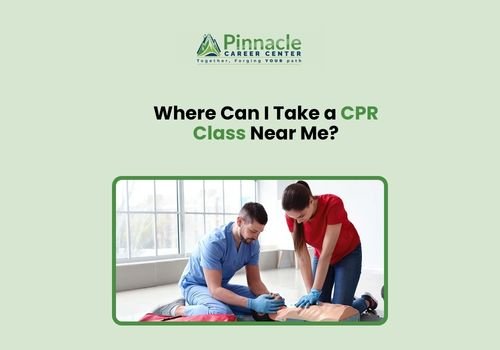
Where Can I Take a CPR Class Near Me?
Knowing how to respond in an emergency can make the difference between life and death. Cardiopulmonary resuscitation, commonly known as CPR, is one of the most valuable lifesaving skills anyone can learn. Whether you are a healthcare professional, a parent, a teacher, or someone who simply wants to be prepared, enrolling in a CPR class is a smart and responsible decision.
If you are searching online and asking, “Where can I take a CPR class near me?” you are not alone. Thousands of people look for CPR training every day for job requirements, certifications, or personal preparedness. This guide explains where to find CPR classes, what types of courses are available, how to choose the right provider, and what to expect during training.
What Is CPR and Why Is It Important?
Cardiopulmonary resuscitation is an emergency procedure performed when someone’s breathing or heartbeat has stopped. CPR helps maintain blood flow to the brain and vital organs until professional medical help arrives.
Why CPR Training Matters
- Sudden cardiac arrest can happen anywhere, including homes, workplaces, and public spaces
- Immediate CPR can double or triple survival chances
- Many emergencies happen before emergency responders arrive
- CPR training builds confidence and quick decision making
Learning CPR equips you with practical skills that can save a life in real-world situations.
Advance your career and stay prepared in emergencies. Enroll with Pinnacle Career Center to earn your CPR certification through expert-led training.
Who Should Take a CPR Class?
CPR classes are not only for healthcare workers. Many professions and individuals benefit from cardiopulmonary resuscitation training.
Common Groups That Need CPR Certification
- Healthcare professionals such as CNAs, nurses, and medical assistants
- Teachers, daycare workers, and school staff
- Fitness trainers and coaches
- Security guards and workplace safety officers
- Parents, caregivers, and babysitters
- College students and job seekers
Even if CPR is not required for your job, having this skill is a powerful way to protect those around you.
Where Can I Take a CPR Class Near Me?
CPR classes are widely available, and most people can find a training option within their local area. Below are the most common places offering cardiopulmonary resuscitation classes.
Local Training Centers and Career Schools
Many vocational schools, healthcare training centers, and career institutes offer CPR courses throughout the year.
Benefits of Local Training Centers
- In-person instruction with certified trainers
- Hands-on practice using mannequins and equipment
- Immediate feedback and skill correction
- Often aligned with healthcare job requirements
These centers are ideal if you prefer structured learning and face-to-face instruction.
Hospitals and Medical Facilities
Hospitals and clinics often provide cardiopulmonary resuscitation courses for both staff and the public.
Why Choose a Hospital-Based CPR Class?
- High-quality instruction from medical professionals
- Up-to-date guidelines and procedures
- Strong credibility for healthcare-related jobs
Some hospitals offer community CPR training sessions, especially during health awareness campaigns.
Community Centers and Adult Education Programs
Local community centers, recreation departments, and adult education schools frequently host CPR classes.
Advantages of Community-Based CPR Training
- Affordable pricing
- Flexible schedules
- Convenient neighborhood locations
These programs are well suited for families, seniors, and community members looking for basic CPR skills.
Fire Departments and Emergency Services
Many fire departments and emergency response organizations offer cardiopulmonary resuscitation training to the public.
What to Expect From Fire Department CPR Classes
- Real-world emergency experience
- Focus on practical response techniques
- Strong emphasis on safety and confidence
Availability may vary by location, so checking your local fire department website or office is recommended.
Online CPR Classes With In-Person Skills Sessions
Some providers offer hybrid CPR training that combines online learning with hands-on practice.
How Hybrid CPR Training Works
- Complete theory and videos online at your own pace
- Attend a short in-person skills assessment
- Receive certification after successful completion
This option is popular among busy professionals who need flexibility without sacrificing skill validation.
National CPR Training Organizations
Several well-known organizations provide cardiopulmonary resuscitation courses across the country through approved instructors.
Features of National CPR Providers
- Standardized curriculum
- Widely accepted certifications
- Multiple class locations
These organizations often partner with local schools, gyms, and healthcare facilities to offer training near you.
Types of CPR Classes Available
Not all CPR classes are the same. Choosing the right course depends on your goals, profession, and certification requirements.
Basic CPR and AED Training
This course is designed for the general public and focuses on adult CPR and automated external defibrillator use.
Who Should Take This Course?
- Parents and caregivers
- Office workers
- Teachers and coaches
It provides essential lifesaving skills without medical complexity.
CPR for Healthcare Providers
This cardiopulmonary resuscitation course is designed for professionals working in clinical or patient care settings.
Key Topics Covered
- Adult, child, and infant CPR
- Two-rescuer CPR techniques
- Bag-mask ventilation
- AED usage in medical environments
Healthcare employers typically require this level of training.
Pediatric CPR Training
Pediatric CPR focuses on infants and children and is ideal for those working with young populations.
Ideal For
- Daycare workers
- Preschool and school staff
- Babysitters and nannies
This course emphasizes age-specific techniques and safety considerations.
Workplace CPR and Safety Training
Some CPR providers offer on-site cardiopulmonary resuscitation training for businesses and organizations.
Benefits of Workplace Training
- Convenient for employees
- Customized to workplace risks
- Supports safety compliance
This option helps organizations create a safer environment.
How to Choose the Right CPR Class Near You
With many options available, choosing the right CPR class requires careful consideration.
Check Certification Acceptance
Before enrolling, confirm that the CPR certification is accepted by your employer, licensing board, or regulatory authority.
Questions to Ask
- Is this certification recognized nationally?
- Does it meet job or state requirements?
This is especially important for healthcare and childcare professionals.
Decide Between In-Person and Online Learning
While online learning offers convenience, hands-on practice is essential for building confidence.
Consider Your Learning Style
- In-person classes offer direct guidance
- Hybrid classes provide flexibility
- Fully online courses may be limited in acceptance
Choose the format that best supports skill retention and certification needs.
Compare Cost and Schedule
CPR class prices and schedules vary depending on location and provider.
Typical Cost Range
- Community classes may be lower cost
- Healthcare-level courses may cost more
- Group or workplace discounts may be available
Look for classes that fit your budget and availability.
What to Expect During a CPR Class
Understanding what happens during training can ease anxiety and help you prepare.
Classroom Instruction
You will learn the basics of cardiopulmonary resuscitation, including recognizing emergencies and calling for help.
Topics Covered
- Chain of survival
- Signs of cardiac arrest
- Importance of early CPR
Instruction is usually clear and easy to follow, even for beginners.
Hands-On Skills Practice
Hands-on practice is the most important part of CPR training.
Skills You Will Practice
- Chest compressions
- Rescue breaths
- AED operation
- Proper body positioning
Instructors guide you step by step to ensure correct technique.
Skills Assessment and Certification
Most CPR classes include a skills check to confirm competency.
After Completion
- You receive a CPR certification card
- Certification is typically valid for two years
- Renewal is required before expiration
Certification demonstrates your readiness to respond in emergencies.
How Long Does a CPR Class Take?
The length of a CPR class depends on the course type.
General Timeframes
- Basic CPR classes: 2 to 3 hours
- Healthcare CPR courses: 4 to 6 hours
- Hybrid courses: Online time plus a short in-person session
Most people can complete training in a single day.
How Often Do You Need CPR Recertification?
CPR skills and guidelines evolve, which is why recertification is important.
Recertification Guidelines
- Typically required every two years
- Shorter than initial training
- Focuses on refreshing skills and updates
Staying current ensures your skills remain effective and compliant.
Benefits of Taking a CPR Class Locally
Choosing a CPR class near you offers practical advantages.
Local Training Benefits
- Easy access and reduced travel time
- Familiar instructors and community connections
- Faster certification turnaround
Local cardiopulmonary resuscitation classes also support community preparedness.
Final Thoughts:
If you are asking, “Where can I take a CPR class near me?” the answer is that you have many excellent options. From local training centers and hospitals to community programs and hybrid courses, cardiopulmonary resuscitation training is widely accessible.
The most important step is choosing a CPR course that fits your needs, meets certification requirements, and provides hands-on practice. Whether you are enrolling for career advancement or personal safety, CPR training is an investment in confidence, responsibility, and the ability to save lives.
Start by searching for reputable CPR training providers in your area, confirm certification acceptance, and enroll in a course that prepares you to act when it matters most.
Be prepared when it matters most. Pinnacle Career Center provides CPR certification classes in San Antonio designed to meet workplace and healthcare requirements.