
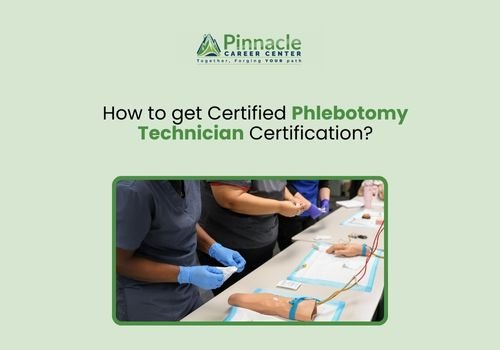
How to Get Phlebotomy Technician Certification?
A career as a phlebotomy technician is one of the fastest and most reliable ways to enter the healthcare field. Phlebotomy technicians play a critical role in patient diagnosis and treatment by collecting blood samples accurately and safely. With healthcare facilities constantly in need of skilled professionals, earning a phlebotomy technician certification can open the door to stable employment and long-term growth.
This guide explains how to become a phlebotomy technician step by step, covering education, training, certification exams, and career advancement options in a clear and practical way.
What Is a Phlebotomy Technician?
A phlebotomy technician is a trained healthcare professional responsible for drawing blood from patients for testing, transfusions, or donations. They also ensure specimens are properly labeled, stored, and transported to laboratories.
Phlebotomy technicians work in hospitals, clinics, diagnostic labs, blood banks, and long-term care facilities. Completing a recognized phlebotomy technician training program helps develop the practical skills and knowledge needed to work effectively in healthcare settings.
Steps to Become a Phlebotomy Technician
Step 1: Meet the Basic Requirements
Before enrolling in phlebotomy technician classes, you must meet some general eligibility criteria. While requirements can vary by school or state, most programs require:
- A high school diploma or GED
- Minimum age of 18
- Ability to read, write, and communicate in English
- Physical ability to perform blood draws and stand for extended periods
- Background check and immunization records
Many students entering phlebotomy programs are also exploring related healthcare education, such as medication aide courses, which often have similar prerequisites.
Step 2: Enroll in a Phlebotomy Technician Training Program
Formal education is essential to becoming a phlebotomy technician. A phlebotomy technician training program provides the knowledge and hands-on experience needed to work safely and confidently in clinical settings.
What You Learn During Phlebotomy Technician Training
A comprehensive phlebotomy technician training program includes both classroom instruction and practical lab experience. Core topics typically include:
- Human anatomy and the circulatory system
- Venipuncture and capillary puncture techniques
- Infection control and safety protocols
- Patient identification and communication
- Specimen handling and documentation
- Legal and ethical standards in healthcare
Most programs can be completed in 4 to 12 weeks, making phlebotomy one of the quickest healthcare training options available.
Choosing the Right Phlebotomy Technician Classes
When selecting phlebotomy technician classes, choose a program that is accredited or aligned with national certification standards. The program should clearly state that it prepares students for the phlebotomy certification test required by recognized certifying agencies.
Some healthcare schools also offer bundled programs that include medication aide training or medication aide certification, which can be helpful if you plan to expand your skill set later.
Step 3: Complete Hands-On Clinical Experience
Clinical practice is an important part of phlebotomy technician training. During this phase, students perform blood draws under supervision in real healthcare environments.
Training may include experience with:
- Venipuncture procedures
- Different patient populations
- Safety and infection control techniques
- Proper specimen collection and handling
This hands-on experience is essential for building confidence and preparing for professional responsibilities as a phlebotomy technician.
Step 4: Pass the Phlebotomy Certification Test
After completing your training and applicable clinical requirements, the next step is taking a national phlebotomy certification test. This exam evaluates your knowledge, technical skills, and understanding of professional standards.
The exam typically covers anatomy, blood collection procedures, safety protocols, and patient care. Many students use study guides and practice exams provided by their phlebotomy technician training program to prepare.
Step 5: Check State Licensing Requirements
While national certification is widely accepted, some states have additional licensing requirements. Requirements can vary depending on where you plan to work.
Always check your state regulations to ensure full compliance. This may involve submitting proof of training, examination results, and clinical experience.
Step 6: Begin Your Career as a Phlebotomy Technician
Once you meet the applicable certification and employment requirements, you can apply for phlebotomy positions in a wide range of healthcare settings, including:
- Hospitals and emergency departments
- Outpatient clinics and physician offices
- Diagnostic laboratories
- Blood donation and plasma centers
Entry-level phlebotomy technicians can gain experience quickly and may move into senior roles or pursue additional healthcare education.
Expanding Your Healthcare Career Opportunities
Many professionals choose to build on their phlebotomy skills by earning additional healthcare credentials. This approach can increase versatility and create additional career opportunities.
Medication Aide Courses and Related Training
Some healthcare professionals also complete medication aide courses to work more closely with patients in long-term care or assisted living facilities. These programs focus on safe medication administration and patient monitoring.
Related options include:
- Medication aide classes approved by state boards
- Medication aide training programs
- Specialized healthcare education
Earning a medication aide certification alongside phlebotomy credentials can help strengthen your healthcare skill set.
How Long Does It Take to Get Phlebotomy Technician Certification?
Most students complete phlebotomy technician training and certification within two to four months. The timeline depends on program length, class schedule, and how quickly you complete the certification exam.
Students who combine phlebotomy training with medication aide courses may take slightly longer but can develop a broader healthcare skill set.
Cost of Phlebotomy Technician Certification
The cost of a phlebotomy technician training program varies by school, location, and program format. Additional expenses may include certification exam fees, textbooks, supplies, and other enrollment costs.
Some schools offer financial aid, payment plans, or combined healthcare programs that can help make training more affordable.
Is Phlebotomy Technician Certification Worth It?
Phlebotomy is an excellent career choice for individuals seeking quick entry into healthcare. Benefits include:
- Short training period
- Demand for skilled professionals
- Opportunities to work in multiple healthcare settings
- Strong foundation for career advancement
- Hands-on experience in patient care
With the right education and certification, phlebotomy can offer professional stability and personal fulfillment.
Final Thoughts
Earning a phlebotomy technician certification is a clear and achievable pathway into the healthcare field. By enrolling in a reputable phlebotomy technician training program, completing hands-on training, and passing the applicable certification exam, you can develop the skills needed to begin working as a phlebotomy technician.
For those looking to expand their role in patient care, adding medication aide courses or pursuing medication aide certification can further strengthen your healthcare career and long-term opportunities.
Ready to Start Your Healthcare Career in San Antonio?
Take the first step toward a rewarding and in-demand healthcare career with Pinnacle Career Center. We proudly serve students in San Antonio, Texas, offering hands-on training, experienced instructors, and career-focused programs designed to help you succeed.
Whether you are interested in becoming a Nursing Assistant, earning your CPR certification, enrolling in our Hybrid CNA Course, advancing with a Medication Aide program, training as a Phlebotomy Technician, or starting a career as a Medical Administrative Assistant, we have programs to support your healthcare career goals.
Our courses are designed to be flexible, affordable, and aligned with real-world healthcare needs. You will gain practical skills, confidence, and the support you need to move toward the workforce.
Enroll now and take the next step toward your future in healthcare.